If you own a home in Brooklyn, there is a good chance you have wondered, “How much is my property actually worth?”
Maybe you purchased ten, twenty or thirty years ago. Maybe you inherited a family property. Perhaps a neighbor recently sold for a number that surprised you. Or maybe you are simply trying to determine whether now is the right time to sell.
Online valuation tools can be an interesting starting point, but Brooklyn real estate is simply too nuanced for an algorithm alone to accurately determine the value of many properties.
A townhouse on one block can trade very differently from a seemingly similar townhouse three streets away. Two apartments with nearly identical square footage can command significantly different prices based on floor, light, outdoor space, monthly carrying costs and building condition.
Understanding what your Brooklyn home is worth requires looking beyond a price-per-square-foot calculation.
Location Matters — Even Block by Block
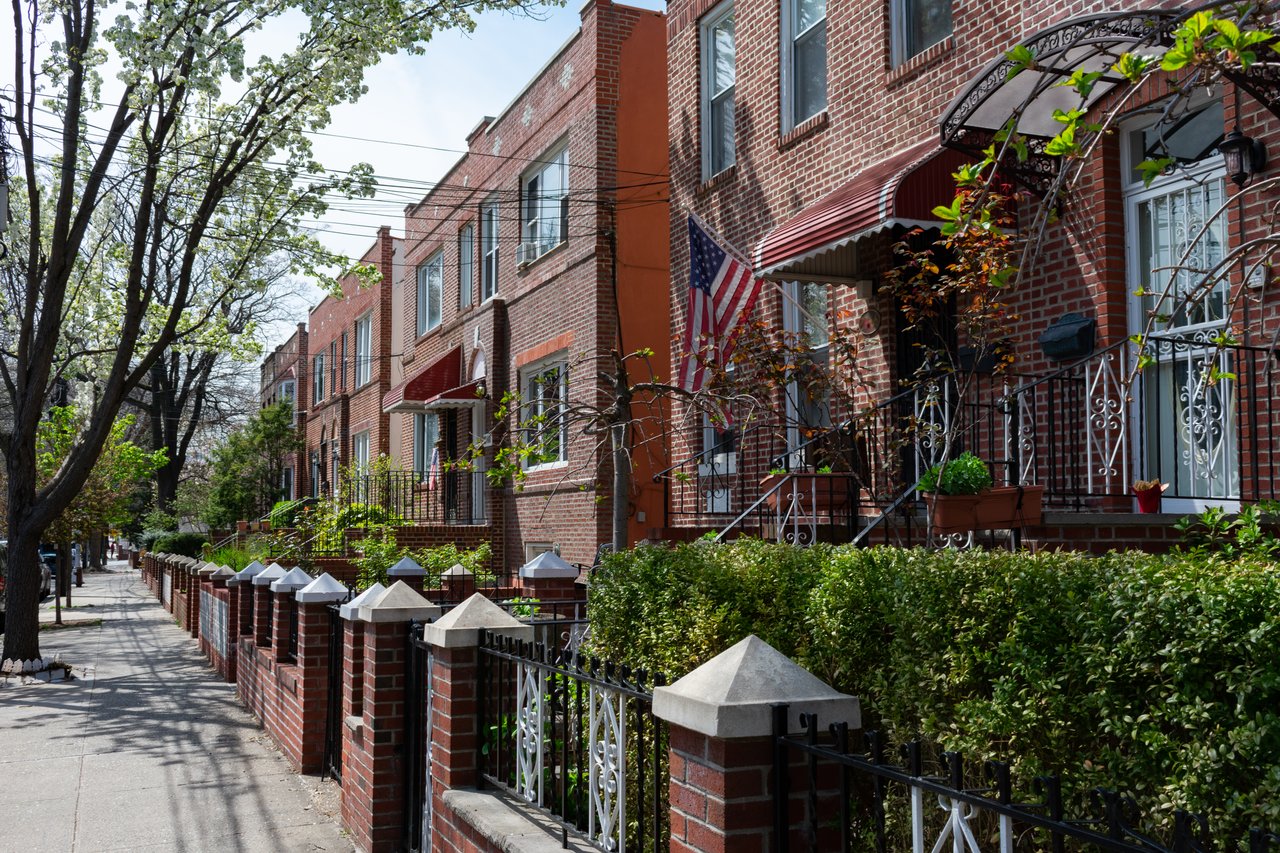
Brooklyn is a collection of highly individual neighborhoods, and values can vary substantially even within the same ZIP code.
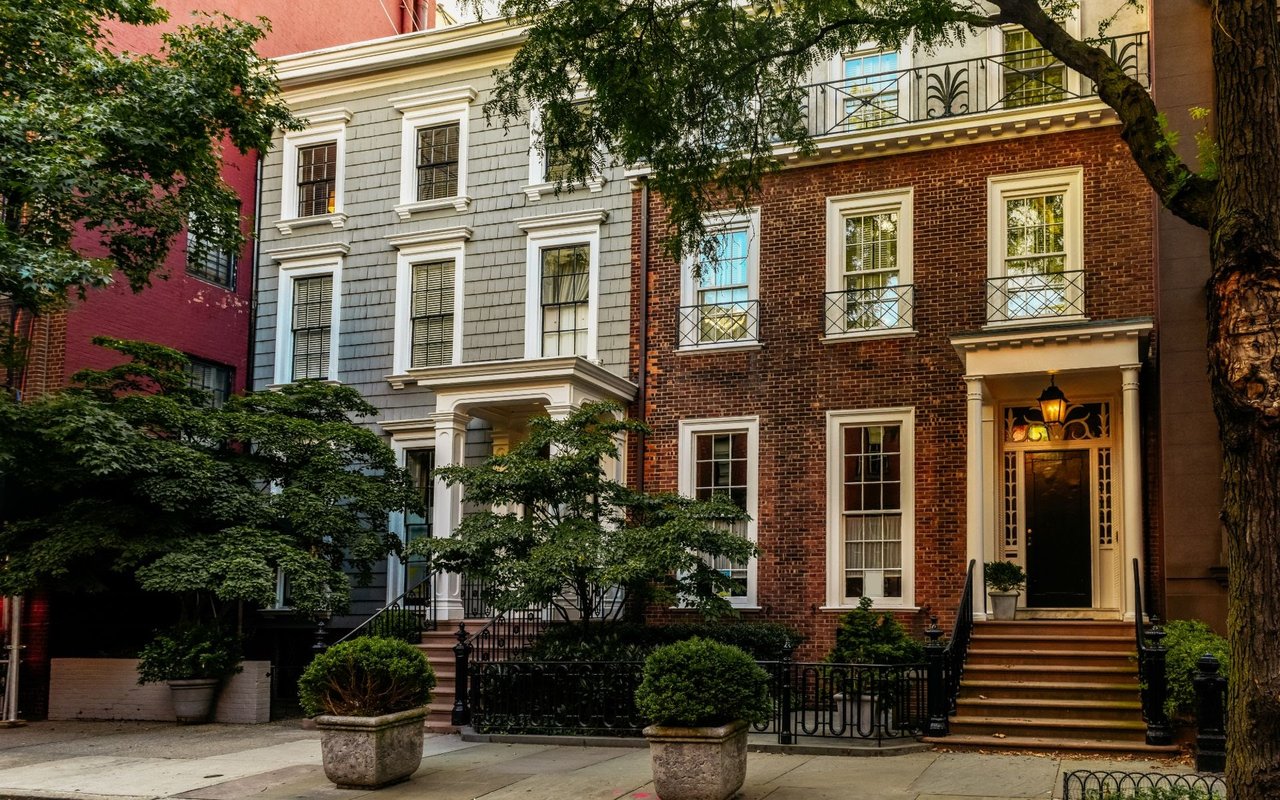
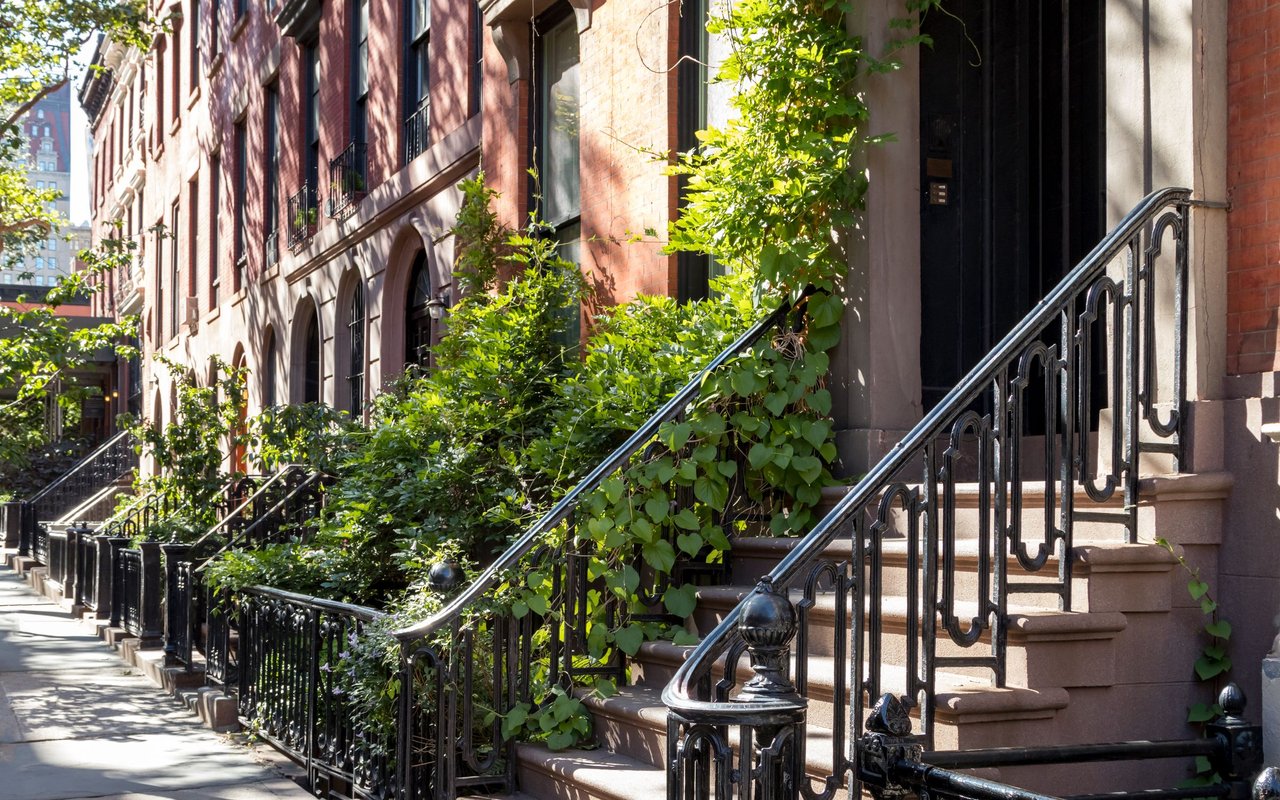
In areas such as Boerum Hill, Cobble Hill, Carroll Gardens, Park Slope, Brooklyn Heights, Fort Greene and Prospect Heights, buyers may place a premium on a particular block, school district, proximity to transportation, historic architecture or access to parks and neighborhood amenities.
For townhouses, details such as whether the property sits on a landmarked block, its width, lot dimensions and configuration can also affect value.
This is why comparing your property to the Brooklyn-wide median sale price rarely tells the whole story.
Your Property Type Matters
The method for valuing a Brooklyn property also changes depending on what you own.
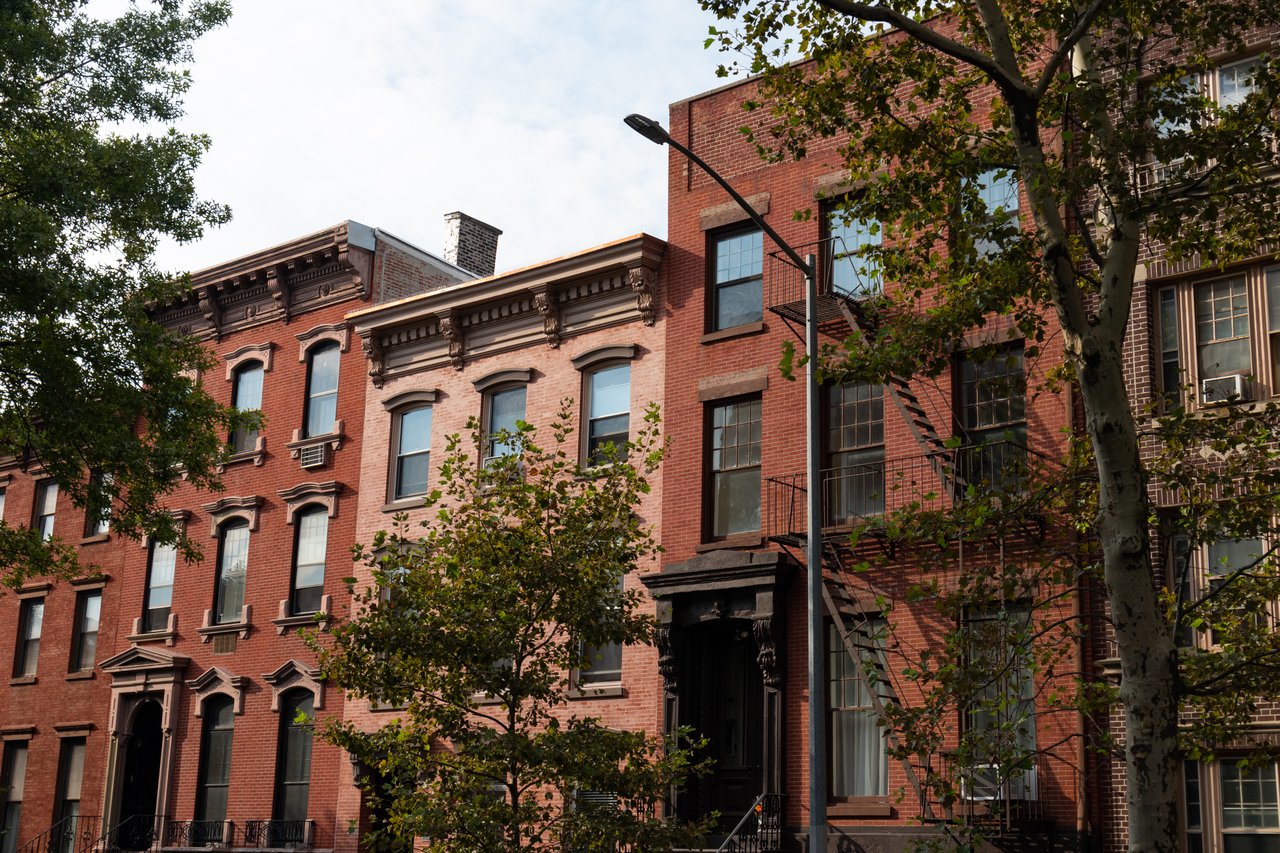
A co-op is evaluated differently from a condominium. A single-family brownstone is different from a legal two- or three-family townhouse. A six-family investment property requires another approach altogether.
For a condo or co-op, I look closely at recent sales within the building as well as competing apartments nearby.
For a townhouse, I consider factors including:
Width and lot size
Square footage
Number of stories
Single-family versus multifamily use
Renovation quality
Original architectural details
Outdoor space
Mechanical systems
Property taxes
Potential income
Landmark or zoning considerations
For an income-producing property, the rent roll, expenses, tenancy and potential future income become critical to the valuation.
Renovated Does Not Always Mean More Valuable Dollar for Dollar
One of the most common misconceptions among sellers is that every dollar invested in renovation will come back at resale.
It usually does not work that way.
A beautiful kitchen or renovated bathroom can certainly make a property easier to sell and may increase its value. But spending $200,000 renovating a home does not automatically increase its sale price by $200,000.
Sometimes the better strategy is painting, decluttering, making minor repairs, refinishing floors and allowing the next owner to renovate according to their own taste.
The right recommendation depends on your property, your timeline and the likely buyer.
Comparable Sales Need Context
Comparable sales—or “comps”—are an important part of determining value, but choosing the right comps is more complicated than finding three nearby properties with the same number of bedrooms.
I want to know:
Was the comparable renovated?
Did it have outdoor space?
Was it on a higher floor?
Was there an elevator?
What were the monthly common charges?
Was it originally priced correctly or did it sit on the market for months?
Was there a bidding war?
Did the property need substantial work?
Was the sale truly comparable, or does it simply look comparable online?
Those details can change the interpretation of a sale dramatically.
Your Competition Matters Too
Your home is not only competing against properties that sold last month. It is competing against everything a buyer can purchase today.
Before recommending a listing price, I look at three categories:
Recently sold properties tell us what buyers have been willing to pay.
Properties currently in contract help identify where the market may be moving.
Active listings show us what your future buyer will compare your home against.
That complete picture helps us determine the price that gives your property the strongest position when it comes to market.
Pricing Correctly From the Beginning Matters
The goal is not necessarily to choose the highest possible asking price.
The goal is to create the strongest possible sale.
An overly ambitious price can cause a property to sit on the market, accumulate days online and eventually require price reductions. Buyers often begin wondering what is wrong with a property once it has been available for an extended period.
A thoughtful pricing strategy can create urgency, increase showing activity and, in the right circumstances, generate competition among buyers.
Brooklyn remained one of New York City's most competitive sales markets in 2026, with StreetEasy reporting Brooklyn had the city's highest median sale-to-list ratio in April.
That makes understanding your specific micro-market particularly important.
Thinking About Selling a Brooklyn Home?
You do not need to be ready to list next week to have your property evaluated.
Some of the most productive seller conversations happen six months, a year or even several years before a sale. An early valuation can help you understand your equity, decide which improvements are worth making and create a realistic plan for your next move.
If you own a home, condo, co-op, townhouse or multifamily property in Brooklyn and would like a thoughtful, property-specific valuation, I would be happy to start the conversation.