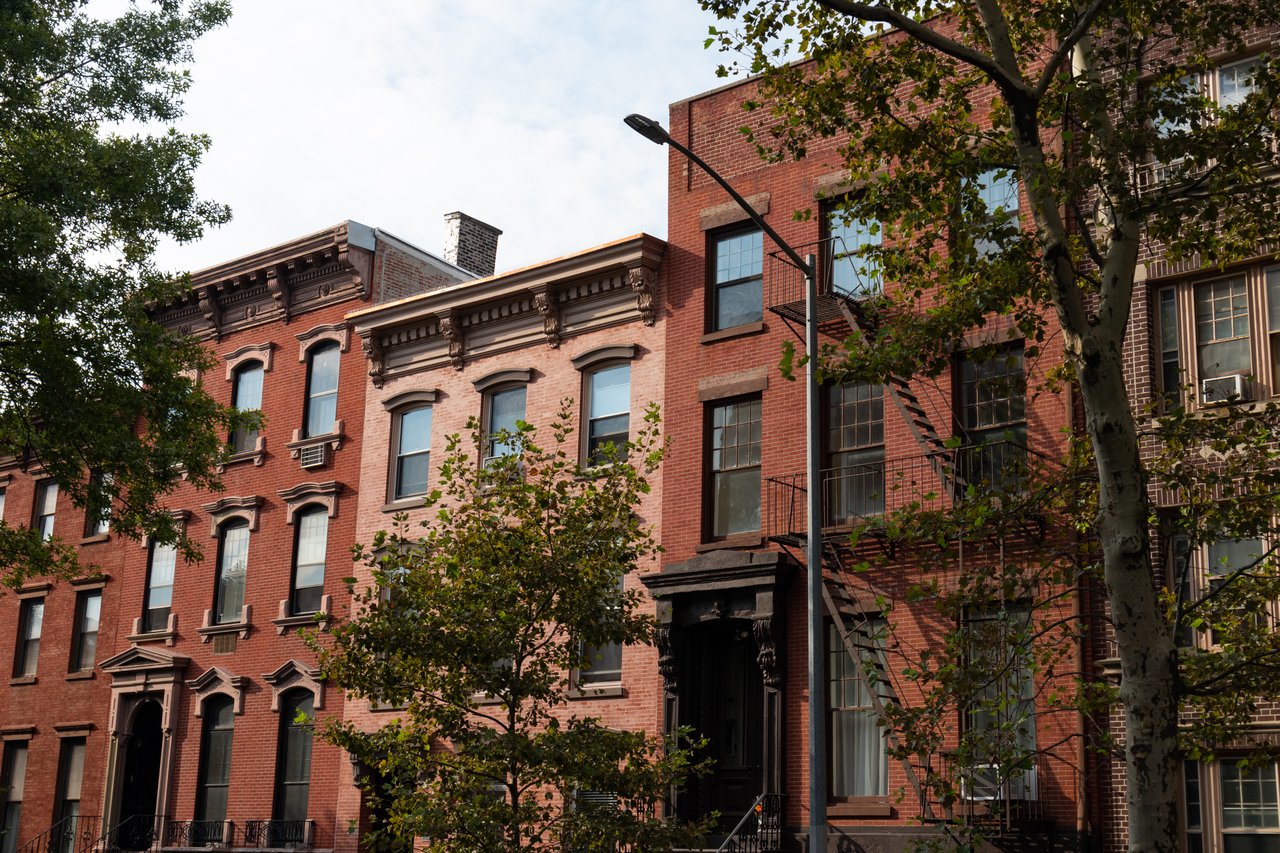
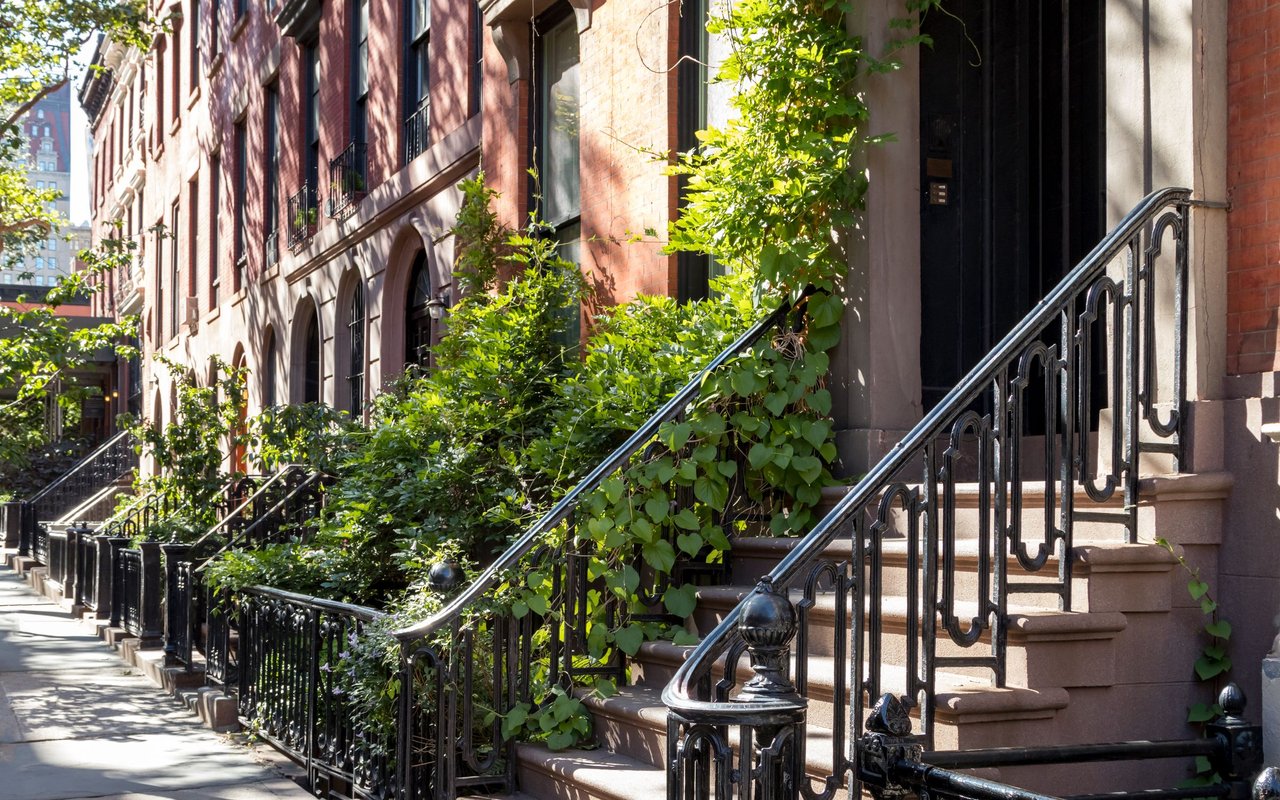
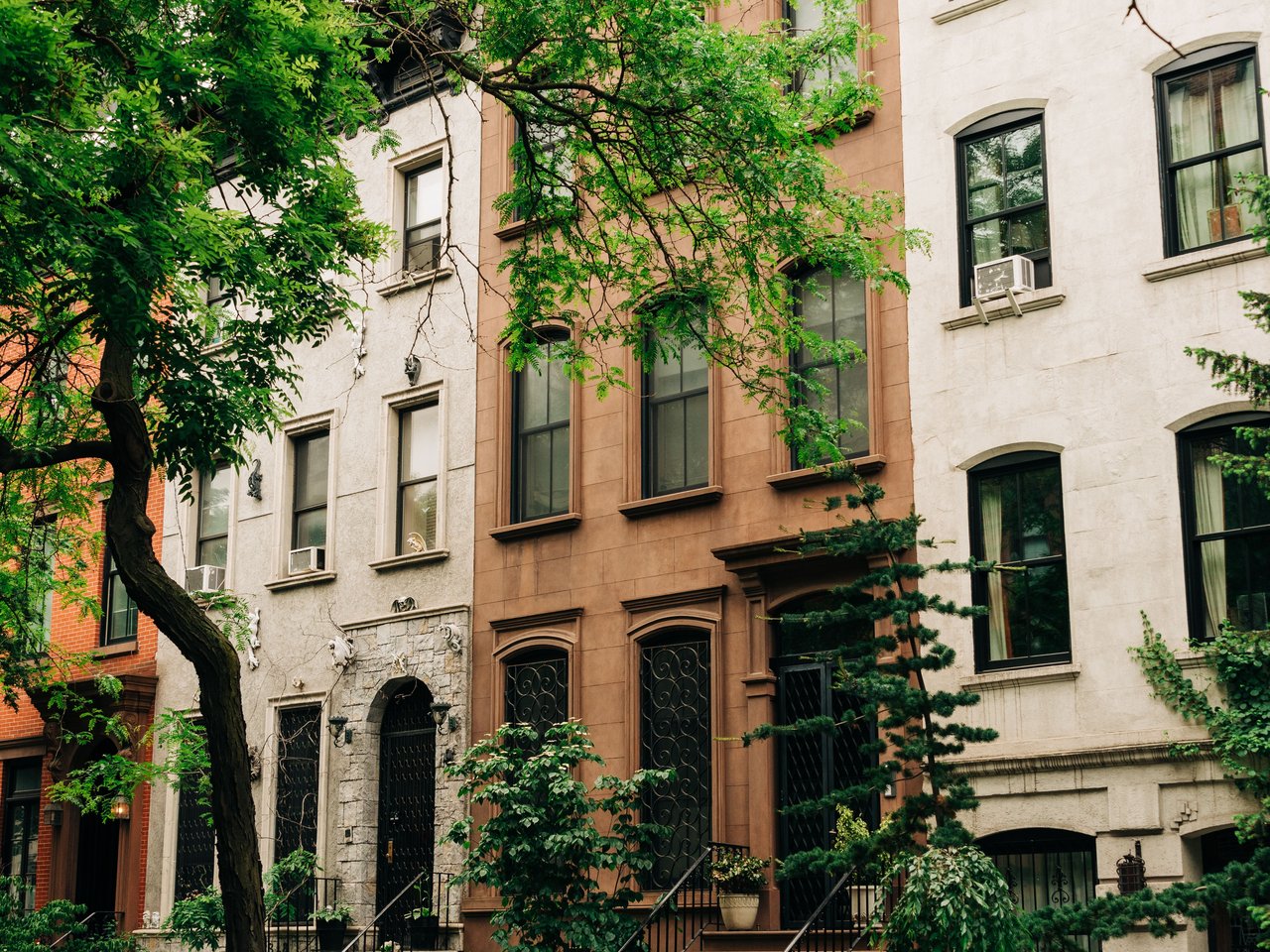
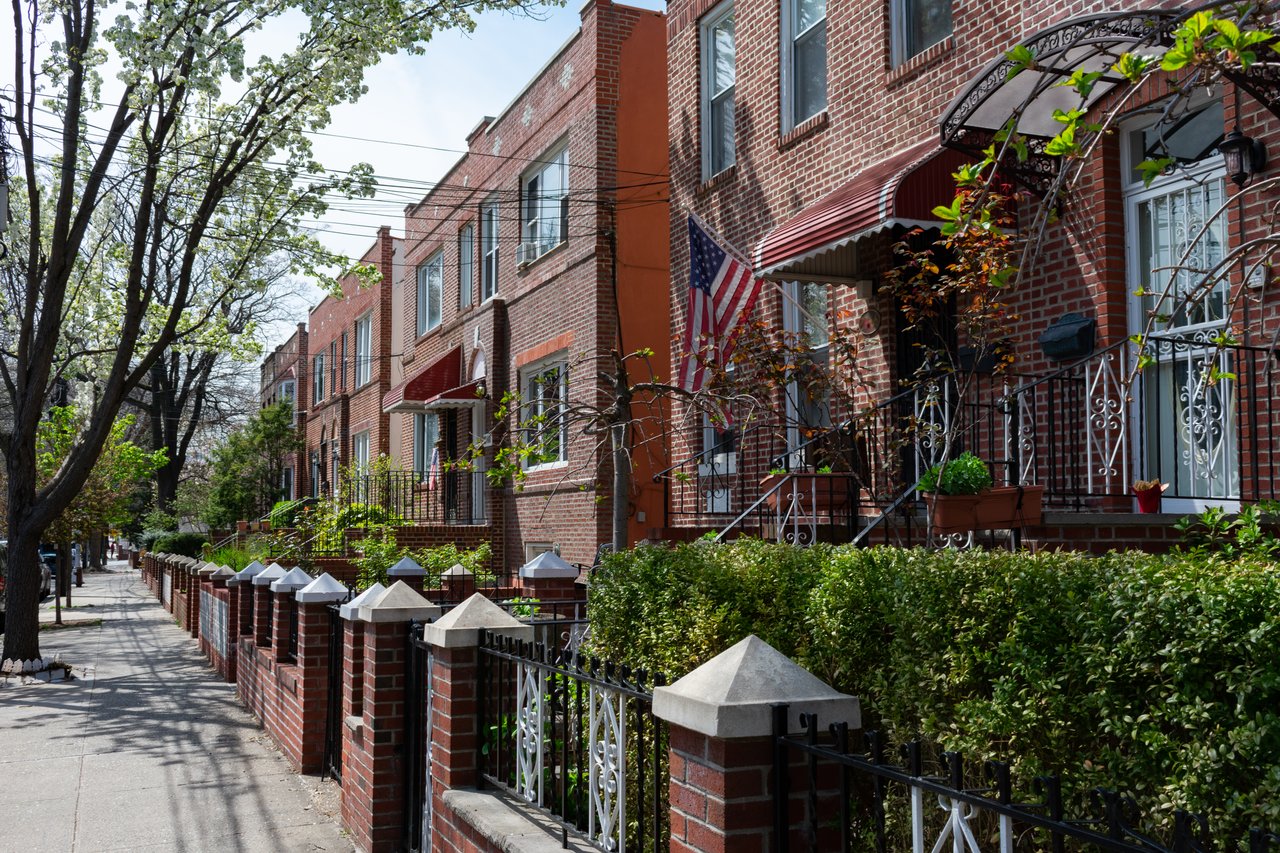
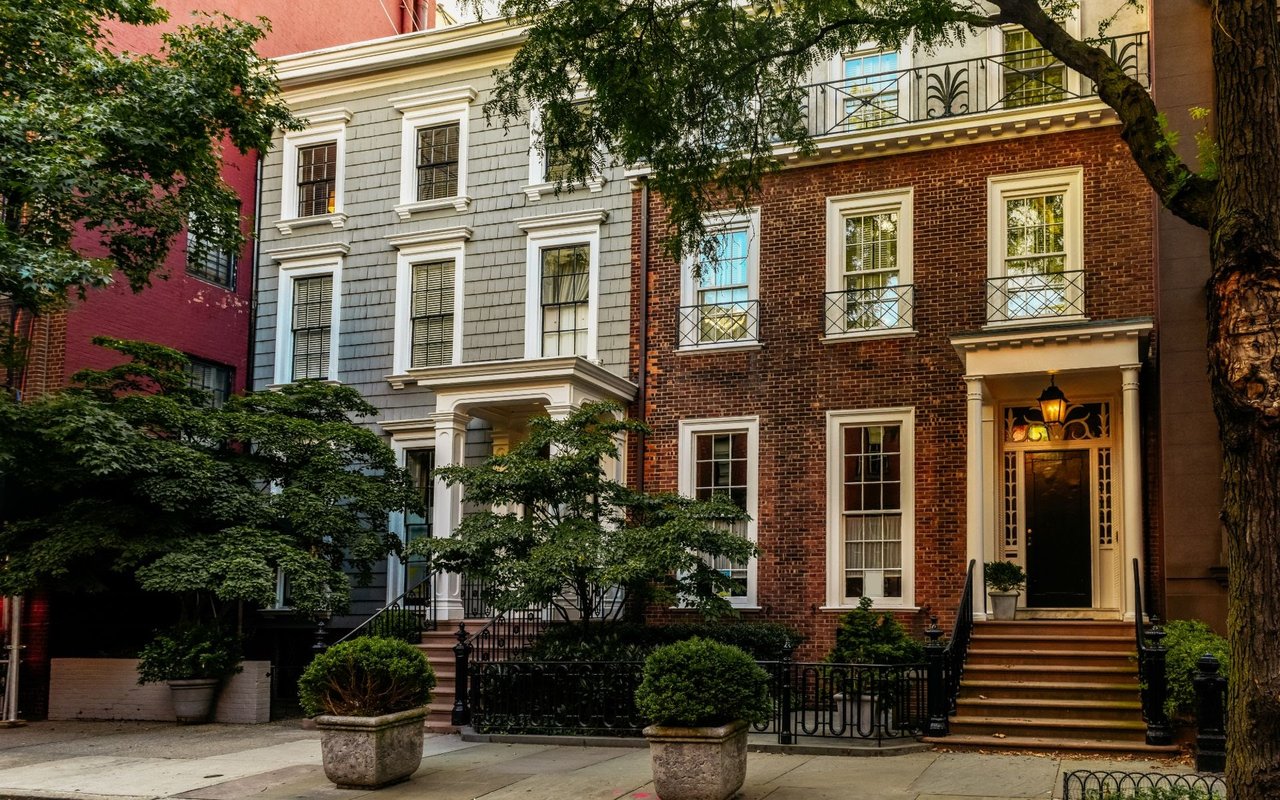
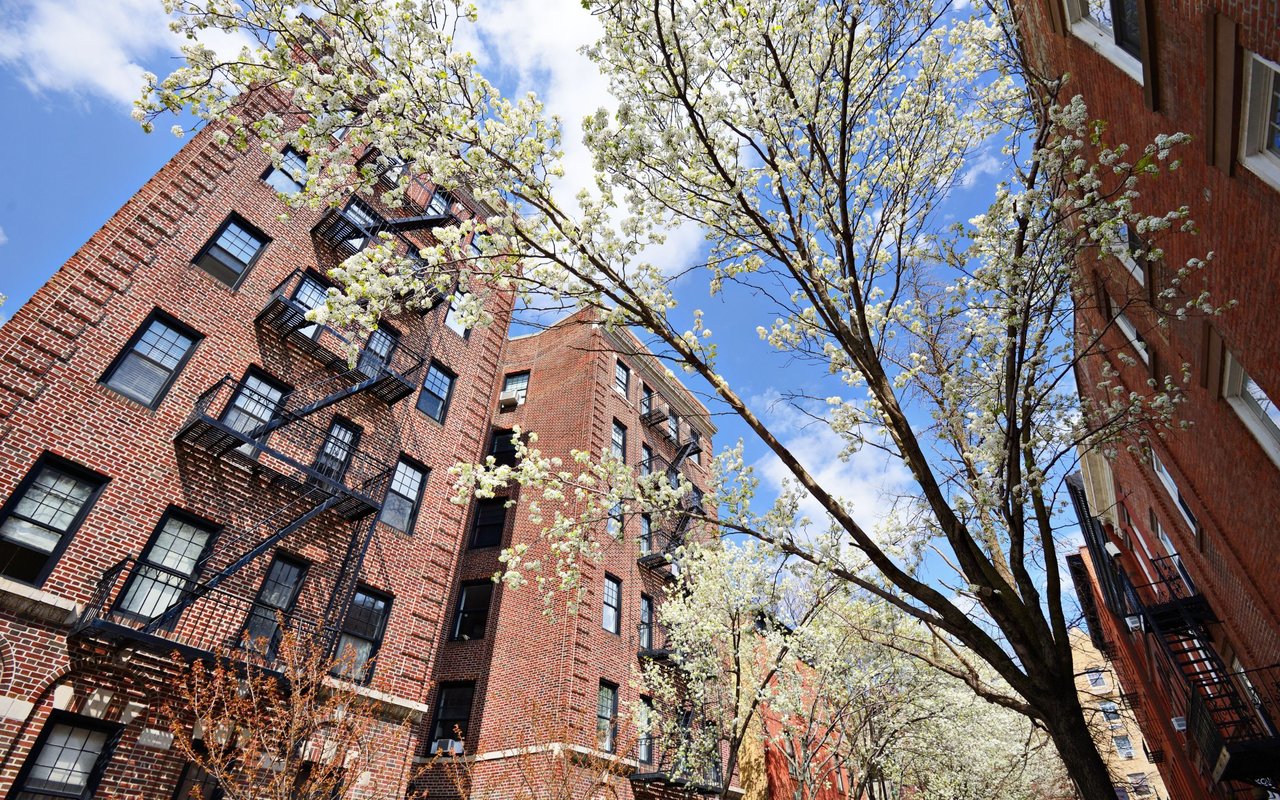
Selling a Brooklyn townhouse is very different from selling a typical apartment.
For many owners, a brownstone is also much more than a piece of real estate. It may be a home where children were raised, a property that has been in the family for generations or an asset that has appreciated dramatically over decades.
Whether you own a brownstone in Park Slope, Boerum Hill, Cobble Hill, Carroll Gardens, Fort Greene, Clinton Hill, Prospect Heights or another Brooklyn neighborhood, preparing it properly can have a meaningful impact on both the sale price and the ease of the transaction.
Here are some of the most important issues I discuss with townhouse owners before bringing a property to market.
Start With the Legal Configuration
The first question is not how many bedrooms the house currently has.
It is: What is the property legally?
A townhouse may be used as a single-family home while the Certificate of Occupancy or Department of Buildings records identify it as a two- or three-family property—or vice versa.
Before listing, it is helpful to understand:
-
Current legal use
-
Certificate of Occupancy, if applicable
-
Department of Buildings records
-
Open permits
-
Existing violations
-
Property tax classification
-
Whether alterations were properly filed
Finding an issue before a buyer's attorney or lender discovers it gives a seller more options for addressing it.
Historic Districts Add Another Layer
Many of Brooklyn's most desirable townhouse neighborhoods include landmarked properties and historic districts.
If your property is landmarked, certain exterior changes require approval from the New York City Landmarks Preservation Commission. LPC states that alterations affecting the exterior of an individual landmark or a property in a historic district generally require an LPC permit, even in some situations where a Department of Buildings permit is not required.
That does not make a landmarked property difficult to sell. In fact, historic architecture is part of what many townhouse buyers are seeking.
It simply means we should understand the history of the property before marketing it.
Should You Renovate Before Selling?
This is one of the biggest decisions townhouse sellers face.
The answer is not automatically yes.
A full renovation can be expensive and time-consuming, and buyers at different price points have very different expectations.
In some circumstances, a seller may be better served by:
-
Removing old carpeting
-
Refinishing original floors
-
Painting
-
Improving lighting
-
Decluttering
-
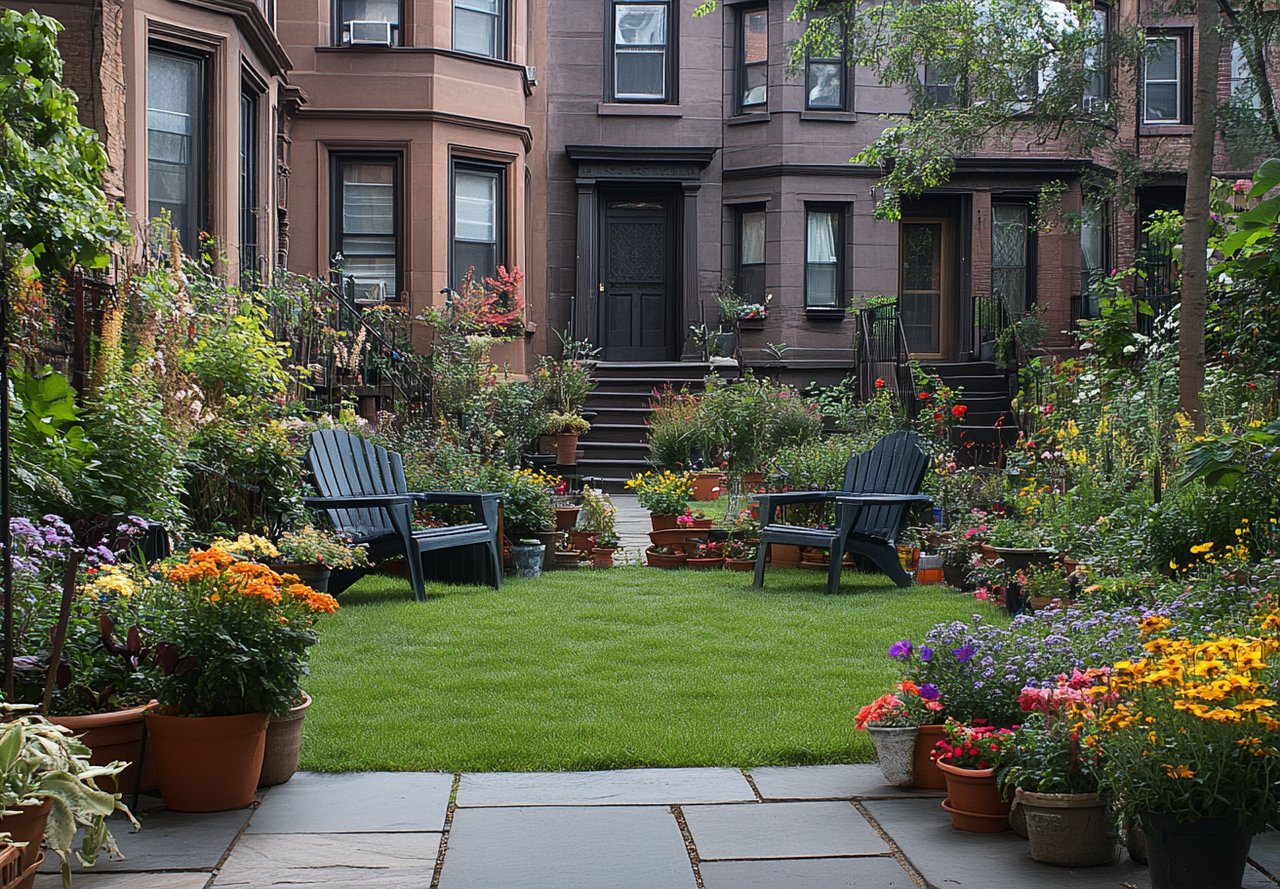
Cleaning the backyard
-
Repairing obvious deferred maintenance
-
Addressing water intrusion
-
Servicing mechanical systems
That may allow buyers to see the home's potential without the seller taking on a renovation whose cost may not be fully recovered.
Preserve What Makes the House Special
Brooklyn townhouse buyers frequently respond emotionally to original details.
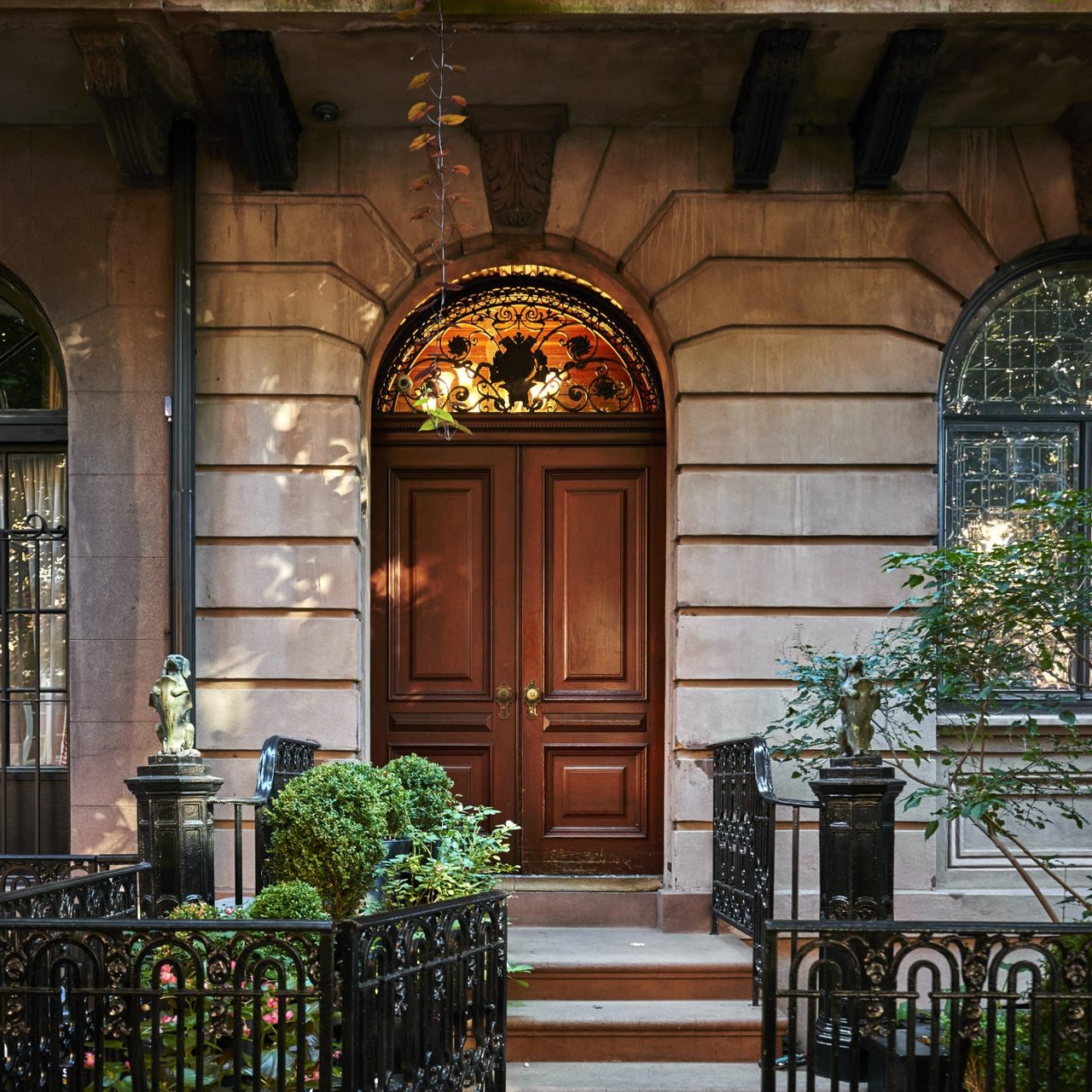
Fireplace mantels, pocket doors, moldings, parquet floors, ceiling medallions, shutters, staircases and exposed brick can provide character that buyers cannot easily recreate in new construction.
A house does not have to be perfect to be desirable.
The marketing strategy should help buyers understand both what exists today and what the property could become.
Multifamily Townhouses Require Additional Analysis
If your townhouse contains rental units, the tenancy can have a major impact on value.
Before listing, we need to understand:
-
Current leases
-
Monthly rents
-
Security deposits
-
Tenant histories
-
Rent stabilization status, where applicable
-
Which units will be delivered vacant
-
Current operating expenses
A buyer purchasing a two- or three-family home may be evaluating both lifestyle and investment potential.
Clear documentation makes that analysis much easier.
Preparation Before Photography Is Worth It
You do not necessarily need to stage every floor of a townhouse, but presentation matters.
Townhouses are large properties, and buyers need to understand how the rooms connect.
Before photography, I typically look carefully at:
Professional photography, detailed floorplans and thoughtful marketing can help a buyer understand the entire property before they even walk through the door.
Tell the Story of the Neighborhood
A buyer purchasing a Brooklyn townhouse is rarely buying four walls alone.
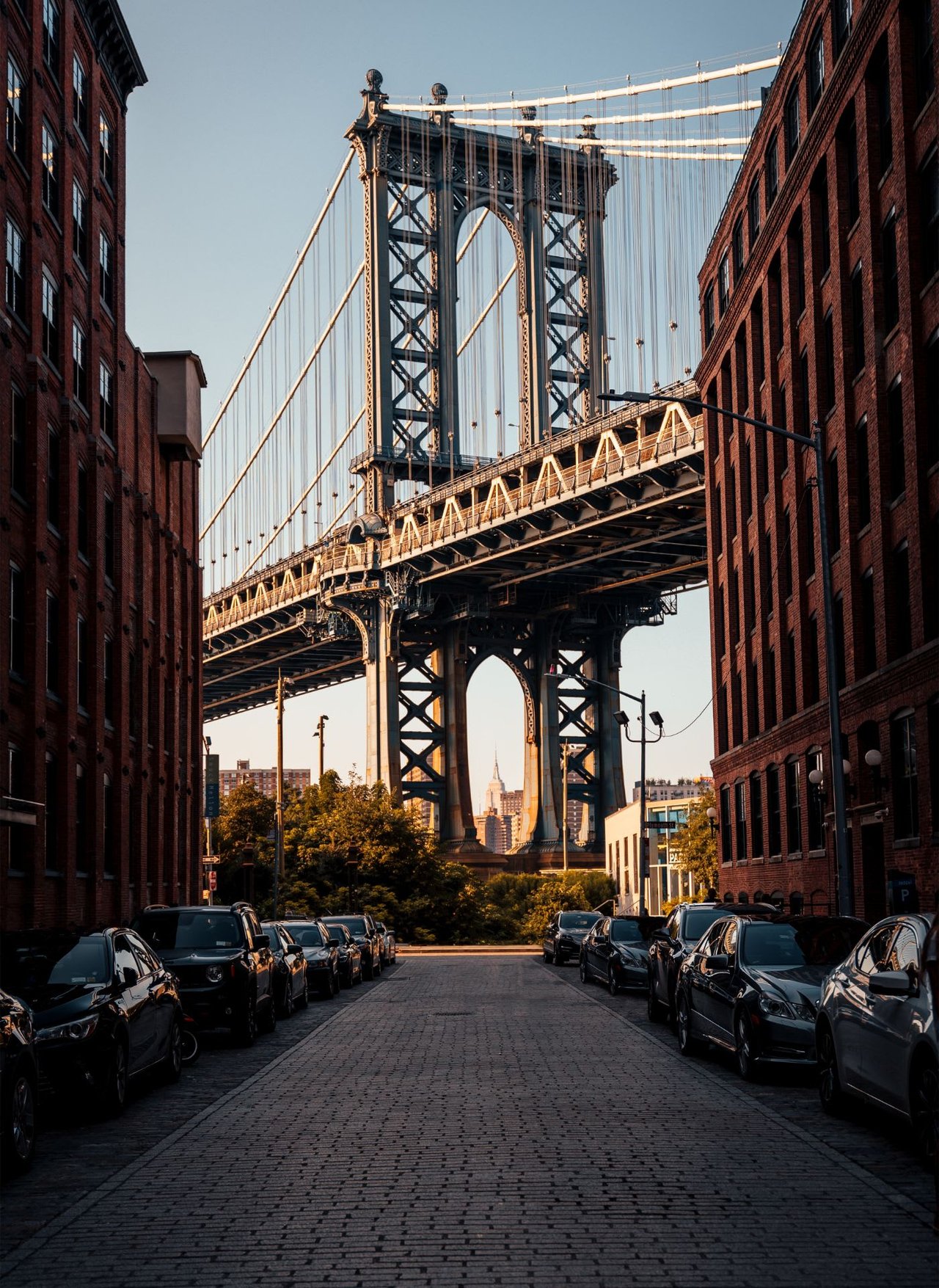
They may be buying the Saturday morning routine, the nearby playground, neighborhood restaurants, access to Prospect Park or Brooklyn Bridge Park, their commute, or simply the feeling they get walking down a particular brownstone block.
Great townhouse marketing should communicate the lifestyle surrounding the home—not simply the bedroom count.
Your Broker Should Understand Townhouses
Townhouses require a broker to think simultaneously about architecture, valuation, construction, legal use, buyer psychology and negotiation.
The preparation that happens before the first open house can be just as important as what happens once offers arrive.
If you own a Brooklyn brownstone or townhouse and are beginning to think about selling, a property walk-through is often the best first step.
Even if you are a year or more away from moving, I can help you identify what is worth addressing, what can be left alone and how your property would likely be positioned in today's market.