Selling a Brooklyn Property During Probate: A Guide for Executors and Families
Alexandra Gupta November 16, 2026
When a loved one dies, a home is often more than a financial asset. It may be the family home, filled with decades of memories, belongings, paperwork, and questions. For an executor or family member, figuring out what happens next can feel overwhelming, especially when the property is in Brooklyn and several relatives are involved.
Selling a property during probate does not need to become chaotic. The right process, professional guidance, and a realistic plan can help protect both the value of the home and the family’s peace of mind.
As a Brooklyn real estate broker, I often work with executors, trustees, attorneys, and families who need help managing the real estate side of an estate. Every situation is different, but there are several steps that consistently make the process smoother.
Before a property can be listed or sold, it is important to confirm who has the legal authority to act on behalf of the estate.
If there is a will, the named executor may need to receive authority through Surrogate’s Court before signing listing documents or a contract of sale. If there is no will, an administrator may be appointed. Some homes are held in a trust, jointly owned, or transferred outside of probate, which can change the process.
A real estate broker cannot provide legal advice, but a knowledgeable estate attorney can clarify who is authorized to make decisions and what documents will be needed. Getting this question answered early can prevent unnecessary delays once a buyer is ready to move forward.
A probate property should not be priced based on emotion, a neighbor’s sale, or an online estimate alone. Brooklyn values can vary dramatically by block, condition, building type, and ownership structure.
For example, a townhouse in Boerum Hill, a co-op in Brooklyn Heights, a condo in Carroll Gardens, and a multifamily property in Park Slope all require different pricing strategies. The condition of the home also matters. Some estate properties are ready for the market with light preparation, while others need cleanout, repairs, or an as-is strategy.
A professional valuation should consider:
The goal is not simply to name the highest possible price. It is to establish a price that supports a strong marketing strategy and attracts qualified buyers.
Many families assume they need to fully renovate before selling. Often, that is not the best use of estate funds.
The right approach depends on the property, its location, the scope of work, and the likely buyer. In some cases, simple improvements such as painting, removing excess belongings, refinishing floors, improving lighting, and staging can make a meaningful difference. In other situations, especially with older townhouses or apartments that need major work, an as-is sale may be the most practical option.
Before spending money, it helps to understand:
A broker who understands estate sales can coordinate vendors, help prioritize work, and create a plan that avoids unnecessary spending.
The emotional side of a probate sale can be as challenging as the transaction itself. Siblings and beneficiaries may have different financial needs, memories of the home, or opinions about whether to sell, rent, renovate, or hold the property.
Clear communication is essential. A broker can provide neutral market information, regular updates, and an organized process that gives everyone confidence in the decisions being made. When multiple heirs are involved, it is especially helpful to agree on communication preferences, decision makers, timelines, and expectations from the beginning.
If there is disagreement over the property, an estate attorney can advise the family on the appropriate next steps.
Estate properties are often vacant, partially occupied, or filled with personal items. Buyers may have difficulty seeing the potential if a home is cluttered or poorly presented.
Preparation can include:
For vacant homes, ongoing oversight is especially important. A property may need regular checks, mail collection, maintenance coordination, and attention to water, heat, insurance, or building requirements.
A probate sale deserves more than simply placing a listing online. The marketing should clearly communicate the opportunity while reaching the right audience for the property.
For a Brooklyn brownstone, that may mean highlighting original details, scale, location, and renovation potential. For a condo or co-op, it may mean emphasizing layout, building benefits, and neighborhood lifestyle. For a multifamily home, investors may need income details, expense information, and a clear picture of future potential.
The strongest strategy combines professional photography, targeted digital marketing, broker outreach, private appointments, open houses when appropriate, and careful buyer screening.
Selling a family home during probate is not just a real estate transaction. It is a transition. The process works best when the executor and family have trusted legal, financial, and real estate professionals working together.
If you are an executor, trustee, or family member considering the sale of a Brooklyn property, I am happy to provide a confidential valuation and help you understand your options. My role is to make the real estate process organized, respectful, and manageable from beginning to end.
Stay up to date on the latest real estate trends.

Carroll Gardens has a distinct identity within Brownstone Brooklyn.
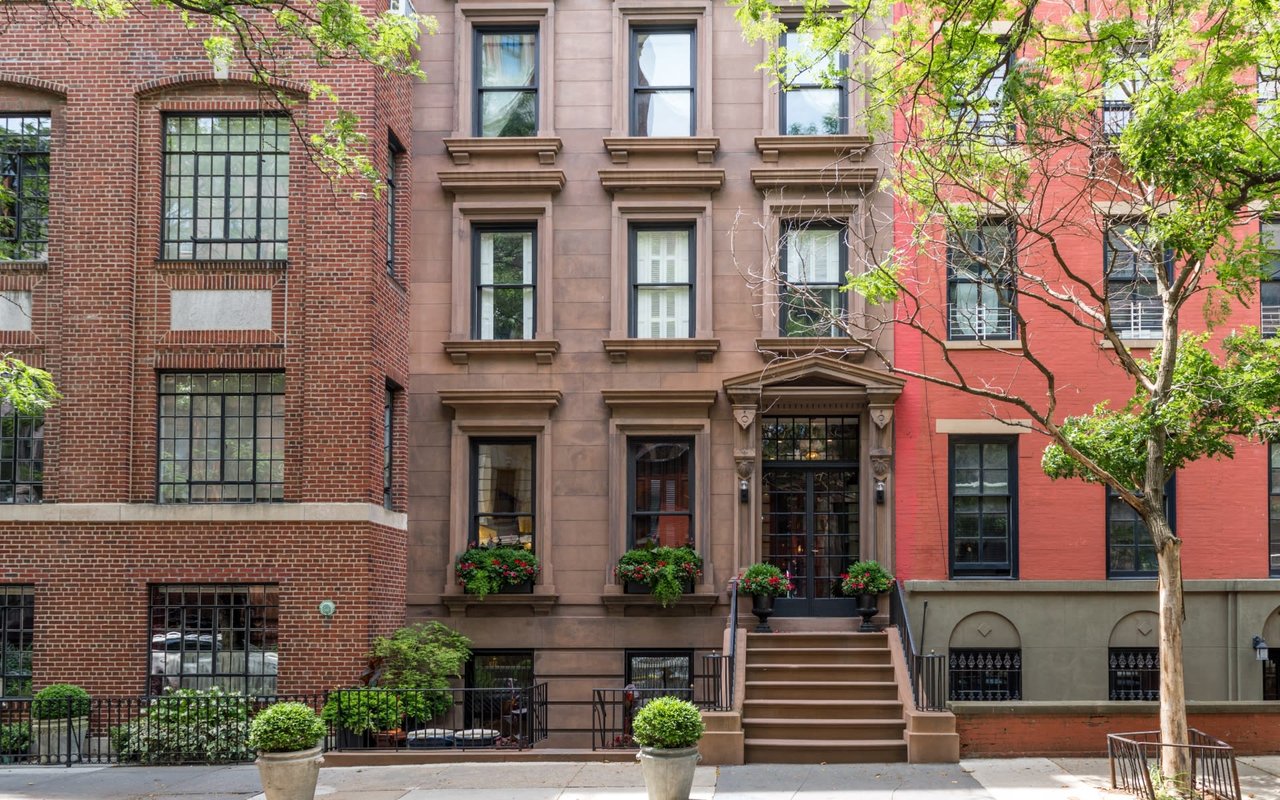
Selling a multifamily property in Brooklyn is very different from selling a single family home, condo, or co-op.
When a loved one dies, a home is often more than a financial asset. It may be the family home, filled with decades of memories, belongings, paperwork, and questions.






I enjoy the responsibility of taking care of each client's real estate needs and making the transaction as smooth as can be. With every new challenge, I am well prepared and ready to deliver honest, capable guidance that will lead to your perfect home.