How to Sell a Multifamily Building in Brooklyn: A Guide for Owners
Alexandra Gupta November 16, 2026
Selling a multifamily property in Brooklyn is very different from selling a single family home, condo, or co-op. Buyers are evaluating the building as both real estate and an investment. They will look at income, expenses, tenants, leases, condition, potential, and neighborhood demand before deciding what the property is worth.
For owners of two, three, four, or small apartment buildings, a successful sale begins with preparation. Whether the property has been in your family for decades, is part of an estate, or has become more difficult to manage, knowing what buyers will ask for can make the process much easier.
Not every Brooklyn multifamily property is viewed the same way by buyers. A legal two-family in Carroll Gardens may attract an end user looking for rental income. A three-family in Park Slope may appeal to both owner occupants and investors. A larger rent-stabilized building in Greenwood Heights or Sunset Park will be evaluated through a more income-focused lens.
Before going to market, it is important to clarify:
These details affect both value and buyer confidence. Being organized from the start allows you to control the narrative and respond quickly when serious interest comes in.
Multifamily buyers will want to understand the building’s performance. Even if the property is primarily attractive as an owner-occupied home, the income and expense history still matters.
A thoughtful offering package may include:
Clean, accurate information can make a building more attractive and reduce surprises during due diligence.
Rent stabilization status can significantly affect value, buyer interest, financing, and the type of marketing strategy that makes sense. If there are questions about a unit’s status, registration history, legal rent, preferential rent, or occupancy, it is wise to have an attorney review the details before marketing the property.
A broker can help identify the questions a buyer is likely to ask, but legal advice should come from a qualified attorney. Resolving or understanding issues early can protect the seller from a transaction falling apart later.
Vacancy can be valuable, but it is not always necessary or practical to wait for a unit to become vacant. The right decision depends on the building, the tenancy, the income, the condition of each apartment, and the likely buyer.
An investor may value stable, well-documented tenancy. An end user may pay more for a building with an apartment they can occupy. A vacant unit can also allow the seller to improve the presentation of the property and show its potential.
There is no one-size-fits-all answer. The best strategy begins with an honest analysis of the property’s likely buyer and the financial tradeoffs of holding, improving, or selling now.
Brooklyn multifamily buildings should not be priced solely by price per square foot. Buyers may evaluate the property through several lenses:
A well-priced property does not mean leaving money on the table. It means positioning the building to attract qualified buyers, generate competition, and support a strong negotiation.
Presentation still matters, even for an income-producing property. Buyers notice the condition of common areas, exterior maintenance, mechanical systems, stairwells, roofs, basements, hallways, and vacant apartments.
Before listing, consider addressing manageable items such as:
The goal is not to over-renovate. It is to show that the property has been responsibly maintained and that buyers can understand its condition.
A strong multifamily campaign identifies whether the best buyer is likely to be an investor, an owner occupant, a developer, or a family looking for additional income.
Marketing should highlight what makes the property compelling: location, unit mix, income, flexibility, architectural character, outdoor space, nearby transportation, and future potential. Broker outreach is particularly valuable because many serious multifamily buyers are actively working with agents and may move quickly when the right opportunity becomes available.
Multifamily sales involve more moving parts than a typical apartment sale. Strong representation means combining market knowledge with careful preparation, buyer qualification, clear communication, and experienced transaction management.
If you are considering selling a two-, three-, four-, or small multifamily building in Brooklyn, I am happy to provide a confidential valuation and review the steps that would best position your property for the market.
Stay up to date on the latest real estate trends.
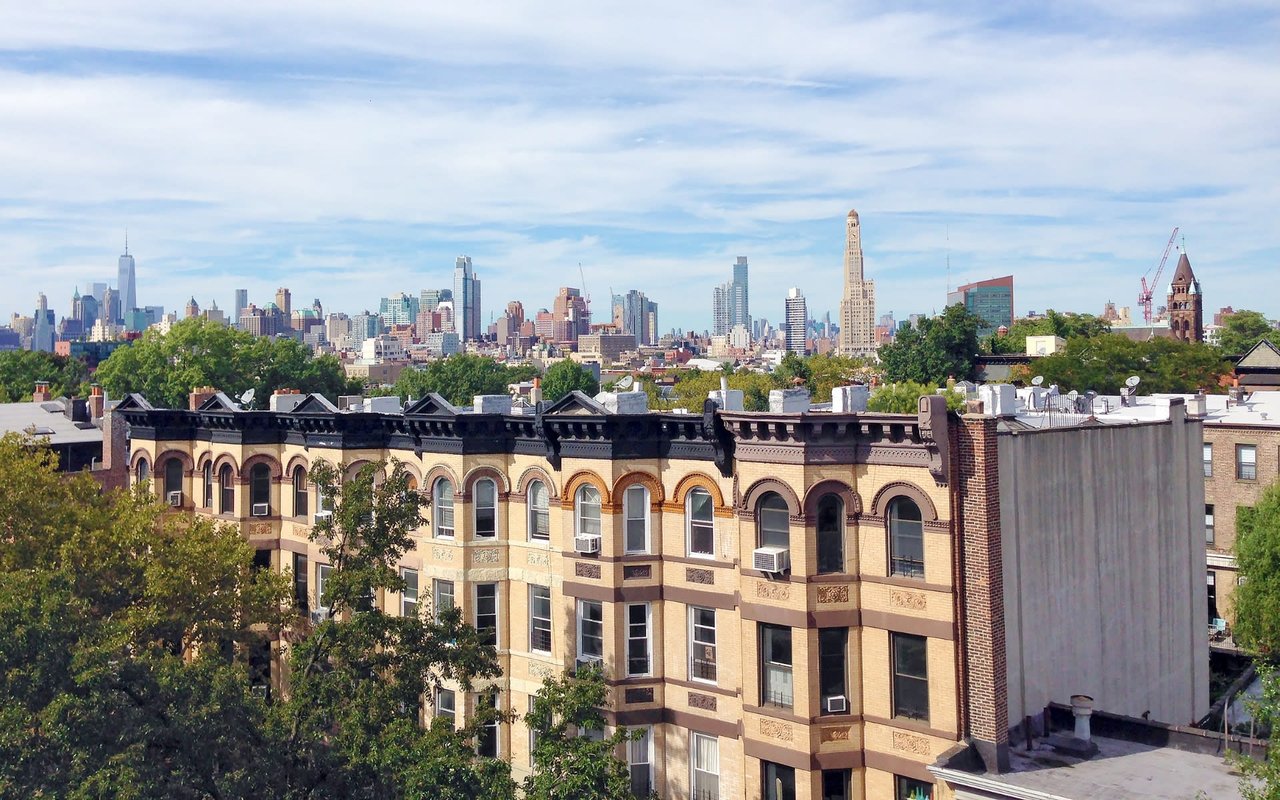
Carroll Gardens has a distinct identity within Brownstone Brooklyn.
Selling a multifamily property in Brooklyn is very different from selling a single family home, condo, or co-op.
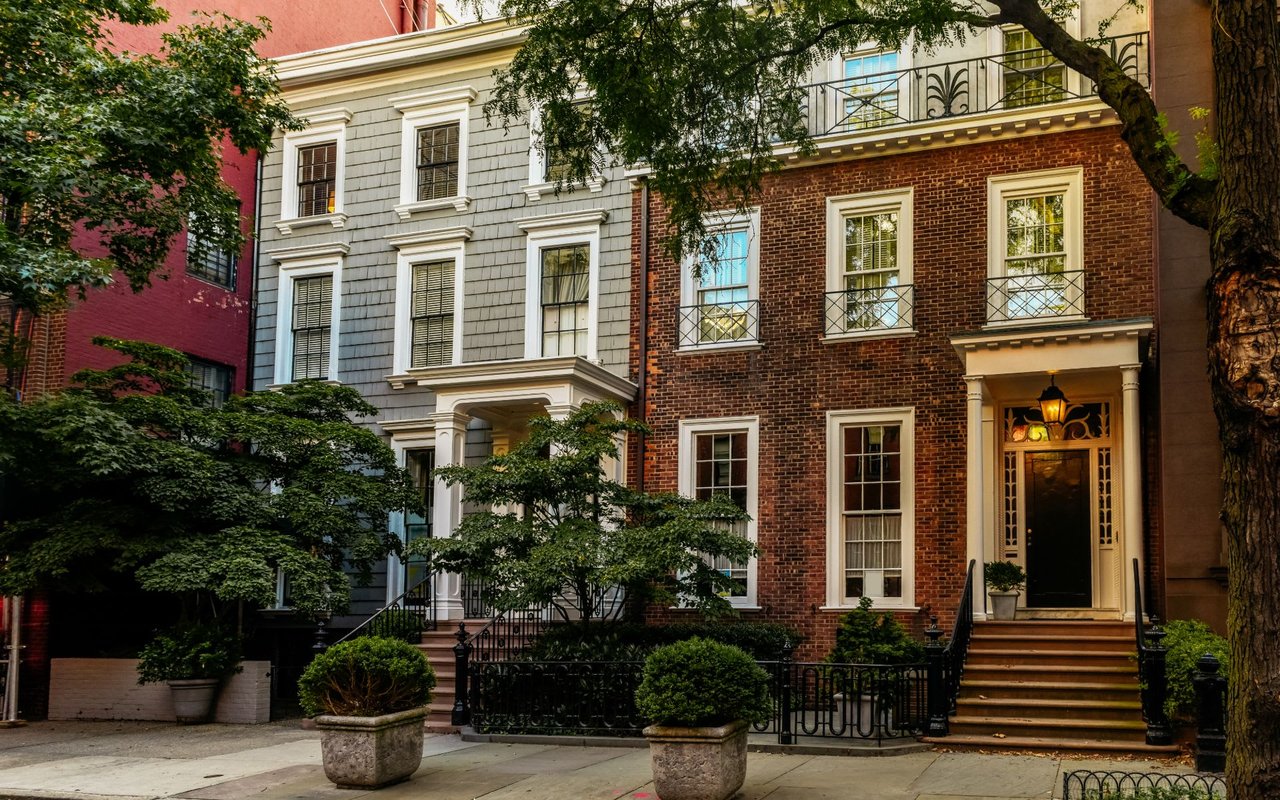
When a loved one dies, a home is often more than a financial asset. It may be the family home, filled with decades of memories, belongings, paperwork, and questions.




I enjoy the responsibility of taking care of each client's real estate needs and making the transaction as smooth as can be. With every new challenge, I am well prepared and ready to deliver honest, capable guidance that will lead to your perfect home.