The Luxury Buyer Has Changed—Have You Adjusted?
Luxury real estate in New York City has always been driven by aspiration—but what defines “aspirational” has shifted in recent years.
Today’s buyers in Manhattan and Brooklyn are not just purchasing square footage or prestigious addresses. They are buying control, comfort, privacy, and lifestyle. And more importantly, they are highly informed. They know what exists on the market, what has sold, and what is worth paying a premium for.
For sellers, this creates both a challenge and an opportunity: the homes that align with modern expectations command extraordinary prices, while those that feel outdated—even subtly—can linger.
The Rise of Lifestyle-Driven Buying
In the past, luxury in Manhattan often meant doorman buildings, prime locations, and elegant pre-war details. While those still matter, they are no longer enough on their own.
Today’s luxury buyer is thinking about how a home supports their daily life.
That includes how they work, how they unwind, and how much control they have over their environment. The shift toward remote and hybrid work has made space—not just size, but functional space—one of the most valuable assets a property can offer.
In Brooklyn, this has translated into surging demand for townhomes, duplexes, and properties with flexible layouts. In Manhattan, it has increased the premium on larger apartments with defined rooms or adaptable floor plans.
Privacy Has Become the Ultimate Luxury
There is a noticeable shift in how high-end buyers define exclusivity.
It’s no longer just about prestige—it’s about privacy.
Buyers are increasingly drawn to properties that minimize shared spaces, limit foot traffic, and offer a sense of separation from the outside world. Boutique buildings, private entrances, and discreet layouts are all commanding attention.
Even within full-service buildings, units that feel removed from the building’s busiest areas—or that offer private outdoor space—are outperforming comparable listings.
Outdoor Space Is No Longer a Bonus—It’s an Expectation
In both Manhattan and Brooklyn, outdoor space has transitioned from a luxury feature to a near-essential one at the high end of the market.
Terraces, roof decks, and gardens are not just visually appealing—they represent breathing room in an otherwise dense city. They allow buyers to entertain, relax, and create a sense of retreat without leaving home.
For sellers, this means that even modest outdoor areas should be presented as a central lifestyle feature, not an afterthought.
Turnkey Is Winning—But Only When It Feels Elevated
Another major shift: luxury buyers have less patience for renovation.
While there will always be a niche market for those looking to customize, the majority of high-end buyers today prefer homes that feel effortless. Move-in ready, but not generic.
This is where many sellers misstep. “Renovated” is not the same as “luxury finished.”
Buyers are drawn to properties where materials, design choices, and craftsmanship feel intentional and cohesive. The difference between a standard renovation and a truly elevated one can translate into hundreds of thousands—or more—in perceived value.
Manhattan vs. Brooklyn: A Subtle but Important Divide
While the two markets share similarities, buyer psychology differs in meaningful ways.
Manhattan buyers often prioritize convenience, services, and iconic views. The building itself plays a significant role in the purchase decision.
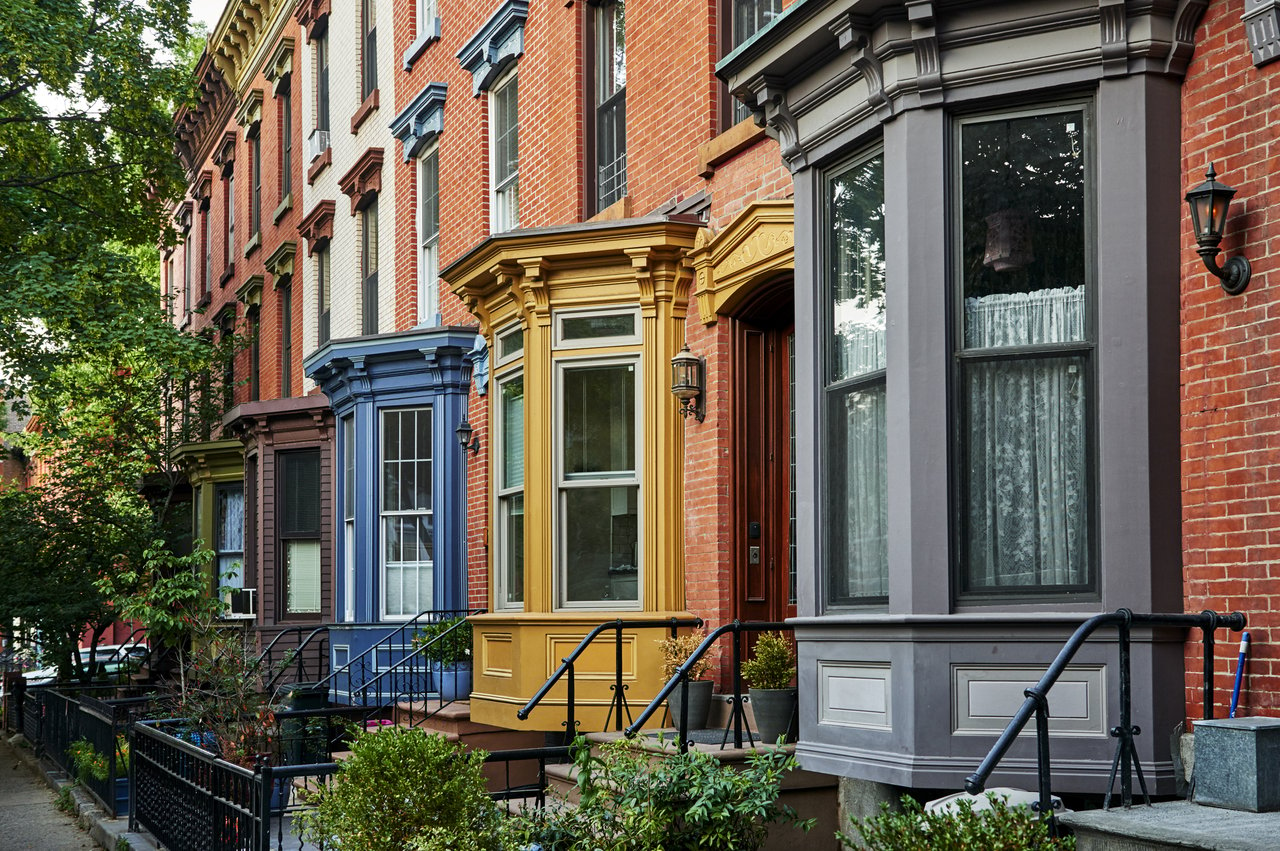
Brooklyn buyers, on the other hand, tend to be more space-driven and lifestyle-oriented. They are often looking for homes that feel unique—properties with character, history, or architectural distinction.
Understanding this distinction allows sellers to position their property more precisely and speak directly to the expectations of their likely buyer.
Conclusion: Aligning with the Buyer Is the New Advantage
Luxury homes in Manhattan and Brooklyn no longer sell simply because they are expensive or well-located. They sell because they align with how buyers want to live right now.
For sellers who understand these shifts—and present their property accordingly—the payoff is clear: stronger demand, better offers, and a more efficient sale.