Brooklyn Real Estate Market Recap: 2025 Sales, Trends, and What They Mean for 2026
Brooklyn Luxury Real Estate Alexandra Gupta January 6, 2026
Brooklyn Luxury Real Estate Alexandra Gupta January 6, 2026
Brooklyn’s residential real estate market closed out 2025 on a strong note, with activity concentrated in some of the borough’s most desirable neighborhoods and continued momentum across both luxury and family-oriented segments. From record-setting sales to emerging neighborhood growth, the data tells a clear story: demand remains resilient, pricing is holding strong, and Brooklyn continues to be one of the most compelling real estate markets in New York City.
In 2025, Brooklyn’s highest residential sales were largely concentrated in Cobble Hill, Boerum Hill, DUMBO, and Williamsburg—neighborhoods long known for their combination of location, lifestyle, and limited inventory. These areas continued to command premium pricing, particularly for well-located brownstones, boutique condos, and new development residences.
One of the most notable transactions of the year was the $100 million sale of the historic Bossert Hotel in Brooklyn Heights, which is slated for luxury residential conversion. This landmark deal underscored both investor confidence in Brooklyn’s long-term value and the continued appetite for high-end residential product.
The luxury segment (top 10% of sales) was a major driver of overall market performance in 2025. Median prices in this tier increased, and high-value transactions helped lift total dollar volume across the borough. While activity at the top often gets the headlines, it also has a ripple effect—supporting pricing, confidence, and momentum throughout the broader market.
Cobble Hill & Boerum Hill
These two neighborhoods remained among the most expensive in Brooklyn by median sale price. Cobble Hill led the pack, with a median sale price of approximately $2.28M, reflecting strong demand for classic townhouses and high-end residences. Boerum Hill followed closely, buoyed by both historic housing stock and thoughtfully designed new developments that attracted buyers seeking turnkey options.
DUMBO & Williamsburg
DUMBO continued to rank among Brooklyn’s priciest neighborhoods, with its limited inventory and waterfront appeal keeping demand high. Williamsburg also stood out in 2025, as ongoing new development activity helped push prices upward while attracting both end users and investors.
Park Slope
Park Slope once again proved its staying power as one of Brooklyn’s most sought-after, family-friendly neighborhoods. Demand for brownstones and larger apartments remained strong despite limited inventory, helping sustain median prices around $1.47M. Buyers continue to prioritize space, schools, and proximity to Prospect Park—factors that consistently support Park Slope’s market strength.
Crown Heights
Crown Heights emerged as one of the most compelling growth stories of 2025. With comparatively more attainable pricing and close proximity to Prospect Park, the neighborhood attracted value-driven buyers who were priced out of more established areas. As inventory tightened, competition increased, signaling Crown Heights’ continued evolution as a core Brooklyn market.
Cobble Hill: $2,275,000
Boerum Hill: $1,900,000
Greenwood Heights: $1,784,708
Greenpoint: $1,772,500
Park Slope: $1,470,000
Rising Prices Amid Tight Inventory
Median sale prices across Brooklyn reached new highs in several quarters of 2025. While some neighborhoods saw modest increases in inventory—particularly Boerum Hill and Park Slope—overall supply remained tight. This imbalance between supply and demand continued to create competitive conditions, especially for well-priced homes.
Ongoing Demand for Family Homes and Brownstones
Family-sized residences, brownstones, and homes with flexible layouts remained in high demand. Buyers continued to prioritize livability, outdoor access, and neighborhood amenities, reinforcing long-term value in established residential communities.
New Development Performance
New developments played an important role in absorbing demand, particularly in neighborhoods like Williamsburg and Boerum Hill. Buyers showed a willingness to pay a premium for modern layouts, amenities, and turnkey living—especially when resale inventory was limited.
As we move into 2026, the outlook for Brooklyn real estate remains optimistic. Demand fundamentals are strong, inventory is expected to improve modestly, and easing interest rates could bring additional buyers back into the market. For both buyers and sellers, understanding neighborhood-level trends and acting strategically will be key.
Whether you’re considering selling, buying, or simply planning ahead, Brooklyn continues to offer opportunity—especially for those who start the conversation early and stay informed.
Stay up to date on the latest real estate trends.


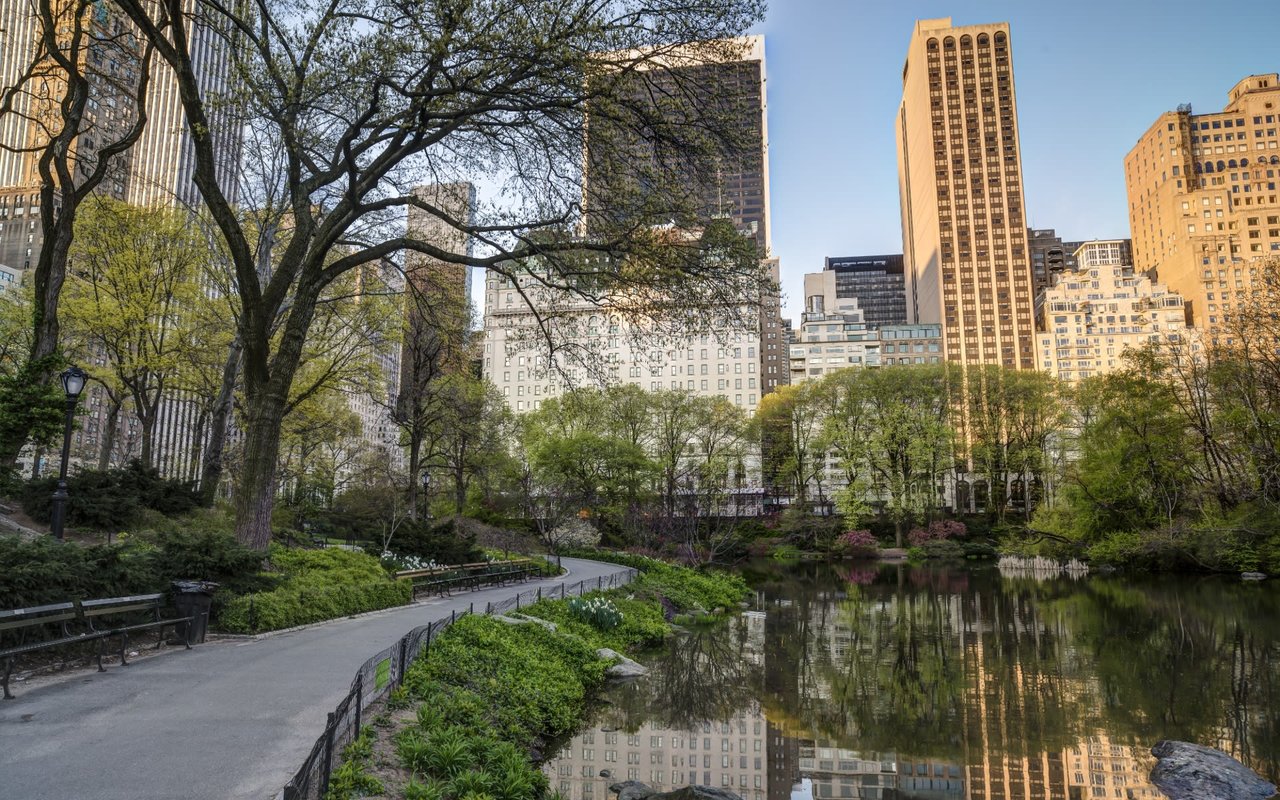
How Do I Sell a Brooklyn Home That Has Been in My Family for Decades
My Aging Parents Can No Longer Manage Their Brooklyn Home What Are Our Options
I Inherited a Brooklyn House With My Siblings What Happens If We Do Not Agree
I enjoy the responsibility of taking care of each client's real estate needs and making the transaction as smooth as can be. With every new challenge, I am well prepared and ready to deliver honest, capable guidance that will lead to your perfect home.